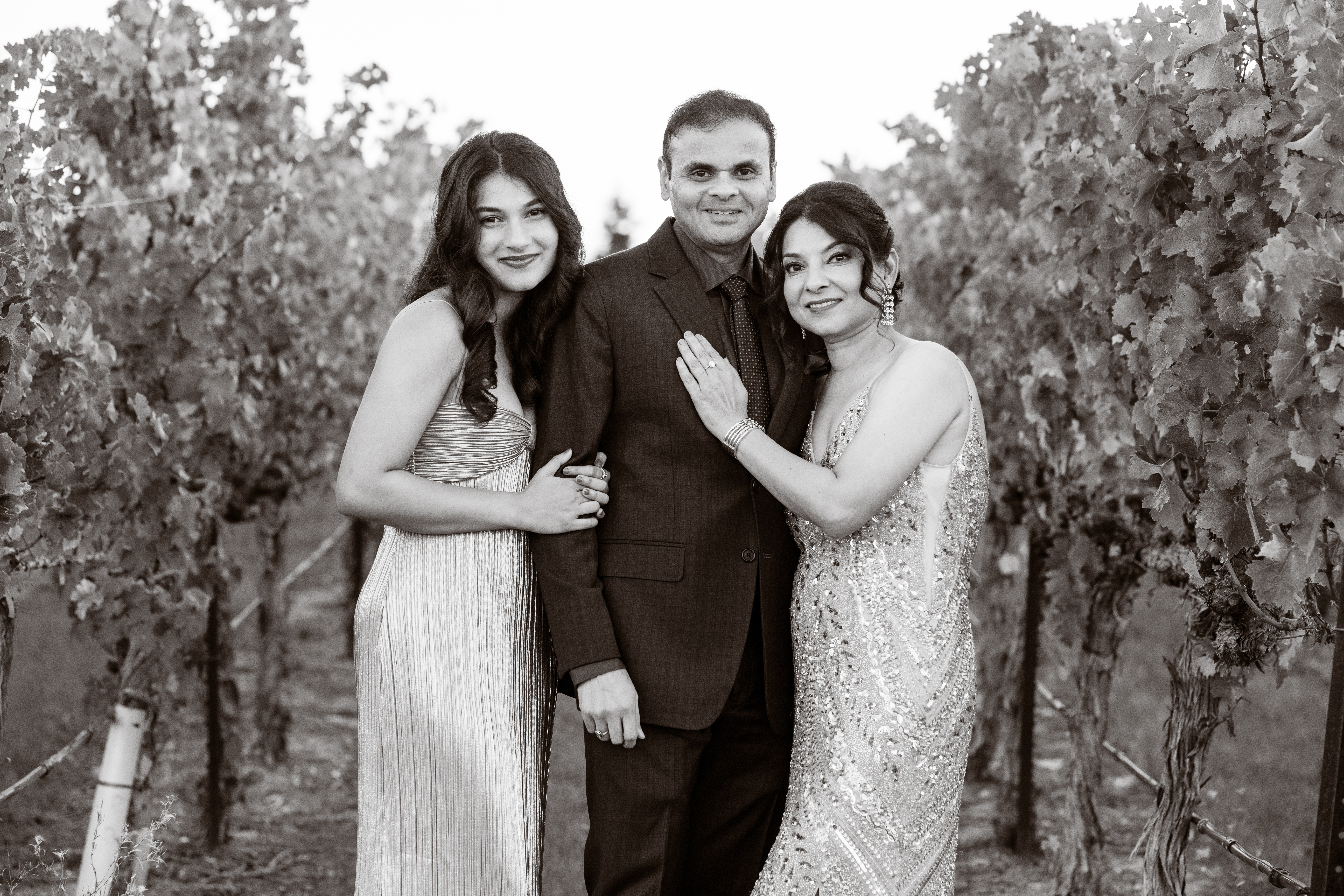
If I had to sum up the last three years, it would be resilience, the unglamorous skill of continuing to show up, even when life keeps rearranging the furniture.
2023: Change (the good kind… and the other kind)
2023 brought big shifts. We moved into a new home, met new neighbors, and found our way back to friendships that make life feel full.
It also delivered a stretch of uncertainty that tested us as a family. We pushed through repeated rejections and periods where support felt thin. The hard part wasn’t just the outcome, it was staying constructive and continuing to strive.
2024: Rebuilding (while life kept assigning homework)
2024 was about rebuilding. We kept our heads up and did what you do when you’re rebuilding: small steps, steady effort, and an occasional deep sigh.
A bigger house also meant bigger responsibilities. Homeownership is a fascinating arrangement where you buy a home… and then the home keeps emailing you requests. Sometimes politely, sometimes via a leak.
2025: Starts (and a surprising amount of plumbing)
2025 felt like a year of starts. We made a few upgrades that made daily life smoother: an electric car, solar, irrigation, a handful of “grown-up” home fixes - and ending with a planned kitchen update.
There was also a serious health chapter that reminded me, in a very direct way, what matters and what doesn’t.
So if the last few years were change → rebuilding → restarting… what does 2026 look like?
2026: A plan, not a prediction
I’m not trying to predict 2026. I’ve learned that predictions are a trap:
- If the prediction is good, you celebrate early and lose momentum.
- If it’s bad, you rehearse anxiety in advance, like buying worry in bulk.
Instead, I want to make a plan that increases the odds of the things I actually care about:
- deeper connection at home,
- compassionate engagement with my family,
- joyful memories with friends, and
- better focus at work, especially on complex problems
My word for 2026 is resilience, but not the “grit your teeth forever” version. More like the calm, steady kind that comes from a clearer mind and fewer distractions.
The practice I’m leaning on: calm abiding
One practice I keep returning to is calm abiding - training attention so it’s less reactive and more steady. In the Buddhist frame, it’s part of a broader set of trainings alongside ethical discipline (try not to harm others) and wisdom (see things more clearly than your emotions allow in the moment).
In geeky language: I want my mind to stop acting like a browser with 47 tabs open with 12 of them are playing sound.
What I’m doing about it
Right now I’m reading two books: Mastering Meditation and Rejection. One is about cultivating attention and steadiness; the other is about lonely people handling the sting of not connecting, not landing things, not being chosen - basically, life’s regular Tuesday.
The goal isn’t to become a different person overnight. It’s to train a little, consistently, and let the results accumulate.
The “boring” foundation
A teacher I’ve been learning from (Rinpoche) emphasizes that meditation improves when life is less chaotic. The basics are practical:
- a consistent place to practice (for me, the library)
- fewer manufactured wants (less “I need this right now”)
- more contentment (enjoy what’s already here)
- fewer high-stimulation habits that keep the mind revved up
- ethical discipline (be thoughtful about speech and impact)
- notice wandering thoughts earlier, return more gently
None of this is about being austere. It’s about reducing unnecessary turbulence.
My plan for 2026
The attention training path I am using is staged: start small, repeat daily, extend gradually.
My goal is to reach the point where I can hold attention through a full session with minimal drifting, and then get clearer about two common failure modes:
- laxity: the mind gets dull or sleepy, like it’s slowly dimming the lights
- subtle excitement: the mind starts to “lean” toward enticing thoughts, even positive ones, often driven by desire or attachment
If I can get better at recognizing those two patterns in real time, that alone will be meaningful progress.
Why this matters to me
Resilience, for me, isn’t hype. It’s the quiet ability to:
- stay present when things are uncertain
- keep relationships warm while life is busy
- focus long enough to solve hard problems
- come back to center faster after getting thrown off
If 2023 was change, 2024 was rebuilding, and 2025 was restarting; then I want 2026 to be the year I practice resilience on purpose.
Not perfectly. Just steadily. And ideally with fewer surprise home repairs 🙏 😄.